
You can get free HIV testing across the United States at a variety of locations that offer confidential or anonymous testing. Here's where to go and how to find a nearby site:
Top Places to Get Free HIV Testing in the U.S.
1. Local Health Departments
-
County and city health departments often offer free or low-cost HIV testing.
-
Check your state or county health department website.
2. Planned Parenthood
-
Many locations offer free or sliding-scale HIV testing.
-
Visit plannedparenthood.org to find a center near you.
3. Federally Qualified Health Centers (FQHCs)
-
These community health centers often provide free or low-cost STI/HIV testing.
-
Visit findahealthcenter.hrsa.gov to search by ZIP code.
4. AIDS Service Organizations
-
Non-profits like AIDS Healthcare Foundation and local LGBTQ+ centers offer free HIV testing and education.
5. Mobile Testing Units
-
Some communities have mobile clinics that offer free HIV and STI testing at events or in high-traffic areas.
6. College/University Clinics
-
Many student health centers offer free or affordable testing for enrolled students.
Find a Free HIV Testing Site Near You
Use the CDC’s Get Tested Tool:
-
Enter your ZIP code to locate free, fast, and confidential testing services near you.
Can I Test for HIV at Home?
Yes. The OraQuick In-Home HIV Test is FDA-approved and uses a simple mouth swab, with results in about 20 minutes. It is sold at most pharmacies and online. Some health departments and community programs also mail free self-test kits, so check your local health department's website. A positive at-home result always needs a follow-up test at a clinic or doctor's office.
How Often Should You Get Tested?
- The CDC recommends that everyone ages 13 to 64 get tested for HIV at least once as part of routine health care.
- People with ongoing risk, such as new or multiple partners, or sex without condoms, should test at least once a year.
- Some sexually active gay and bisexual men may benefit from testing every 3 to 6 months. A healthcare provider can help you decide.
Think You Were Exposed Recently?
If you think you were exposed to HIV in the last 72 hours, contact a doctor, urgent care or emergency room right away and ask about PEP (post-exposure prophylaxis). PEP must be started within 72 hours to work. If you are at ongoing risk, ask a provider about PrEP, a medication that greatly lowers the chance of getting HIV.
How to Ask a Partner to Get Tested
- Bring it up at a calm moment, not in the heat of the moment.
- Make it about both of you: "Let's both get tested before we stop using condoms" feels very different from "You need to get tested."
- Offer to go together. Many clinics test couples at the same visit, and at-home kits make it easy to test side by side.
- Treat testing as routine health care, like a dental checkup. It says you care about each other, not that you suspect anything.
What If a Test Comes Back Positive?
A positive rapid or at-home test always needs a follow-up test to confirm it. If the result is confirmed, the testing site will help connect you with care. HIV treatment today is simple, often one pill a day, and people who start treatment early can expect to live long, healthy lives. According to the CDC, people with HIV who take their medicine as prescribed and keep an undetectable viral load do not transmit HIV to partners through sex.
HIV Awareness Days to Know
Awareness days are a good reminder to get tested, and many clinics offer extra free testing events around them:
- February 7: National Black HIV/AIDS Awareness Day
- March 10: National Women and Girls HIV/AIDS Awareness Day
- April 10: National Youth HIV & AIDS Awareness Day
- June 27: National HIV Testing Day
- September 18: National HIV/AIDS and Aging Awareness Day
- September 27: National Gay Men's HIV/AIDS Awareness Day
- December 1: World AIDS Day
Protect Yourself Every Time
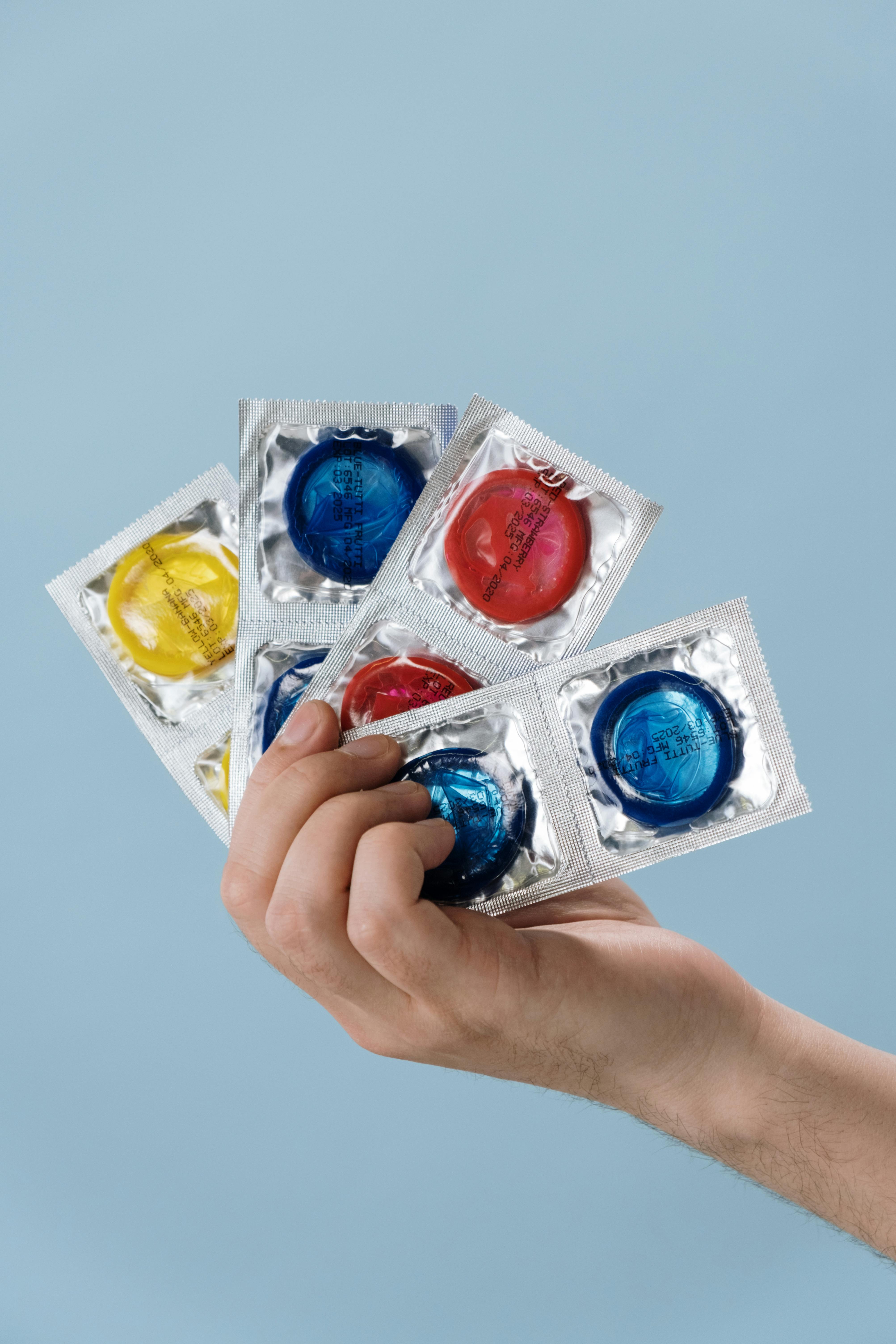
Used correctly and consistently, condoms are one of the most effective ways to lower the risk of HIV and other STIs. Browse our condoms, non-latex condoms and dental dams, or read Do Condoms Prevent STDs?



Leave a comment