
How Stress and Nervous System Burnout Are Killing Modern Intimacy
Modern Stress Is Quietly Affecting Relationships
Between nonstop notifications, financial pressure, work demands, parenting responsibilities, and social media overload, many couples are discovering that stress does not stay at the office — it follows them directly into the bedroom.
One of the biggest conversations happening in sexual wellness right now is the connection between chronic stress, nervous system burnout, and intimacy. More people are realizing that low libido, emotional disconnection, difficulty reaching orgasm, and reduced desire are often not simply “relationship problems.” In many cases, they are nervous system problems.
Modern intimacy is being challenged by overstimulation, exhaustion, and emotional fatigue in ways previous generations did not fully understand.
What Is Nervous System Burnout?
Your nervous system controls how your body responds to stress, safety, relaxation, pleasure, and connection. When your body stays in a prolonged state of stress, it can become stuck in what experts often call “fight or flight mode.”
This may look like:
-
chronic anxiety
-
irritability
-
mental exhaustion
-
poor sleep
-
emotional numbness
-
decreased sexual desire
-
difficulty relaxing during intimacy
When the nervous system is dysregulated, the body prioritizes survival over pleasure. That means intimacy often becomes one of the first things to suffer.
Many people mistakenly believe they have “lost attraction” or “fallen out of love,” when in reality they may simply be emotionally and physically depleted.
Why Stress Impacts Sexual Desire
Sexual desire is deeply connected to feelings of safety, relaxation, and emotional presence.
When stress hormones like cortisol remain elevated for long periods of time, the body may experience:
-
lower libido
-
erectile difficulties
-
vaginal dryness
-
delayed orgasm
-
reduced arousal
-
emotional withdrawal
-
increased tension during intimacy
This affects both men and women.
For some people, stress creates a complete loss of interest in sex. For others, intimacy may begin to feel like another task on an already overwhelming to-do list.
This is why many couples report:
-
loving each other deeply
-
still feeling attracted to each other
-
but struggling to feel emotionally or sexually connected
The issue is often burnout, not compatibility.
Social Media and “Always-On” Culture
Modern relationships are facing something unique: constant stimulation.
Phones, emails, social media scrolling, streaming content, and digital communication have created a culture where the brain rarely gets true rest.
Many couples spend more time:
-
looking at screens
-
multitasking
-
responding to notifications
-
consuming content
than genuinely connecting with one another.
Emotional intimacy requires presence, attention, and nervous system regulation. But overstimulation trains the brain to stay alert instead of relaxed.
This can make it difficult to transition from stress mode into intimacy mode.
The Emotional Side of Burnout
Stress does not only affect physical desire. It also impacts emotional connection.
Burnout can cause:
-
emotional detachment
-
irritability
-
lack of patience
-
communication breakdowns
-
reduced affection
-
touch avoidance
Partners may begin interpreting these symptoms as rejection, even when neither person intends to disconnect.
Over time, this can create a cycle:
-
Stress reduces intimacy
-
Couples feel disconnected
-
Emotional distance increases stress
-
Intimacy becomes even harder
Breaking this cycle often requires slowing down and addressing emotional exhaustion first.
Why “Responsive Desire” Matters
One important concept gaining attention in sexual wellness is responsive desire.
Many people assume desire should happen instantly or spontaneously. But under stress, desire often becomes responsive instead of automatic.
That means desire may appear:
-
after emotional connection
-
after physical touch
-
after relaxation
-
after feeling safe and supported
This is especially common in long-term relationships and during periods of burnout.
Understanding responsive desire helps couples stop viewing reduced libido as failure and start viewing intimacy as something that can be nurtured intentionally.
How Couples Can Rebuild Intimacy
The good news is that intimacy can often improve dramatically when stress and nervous system overload are addressed.
Healthy ways to reconnect include:
-
reducing screen time before bed
-
prioritizing sleep
-
spending intentional time together
-
practicing physical affection without pressure
-
improving communication
-
exercising regularly
-
mindfulness and breathwork
-
creating stress-reducing routines
-
focusing on emotional connection, not just performance
Sometimes rebuilding intimacy starts outside the bedroom.
Sexual Wellness Products Can Support Connection
Many couples also explore sexual wellness products as part of reconnecting and reducing pressure around intimacy.
Products that may support relaxation and comfort include:

-
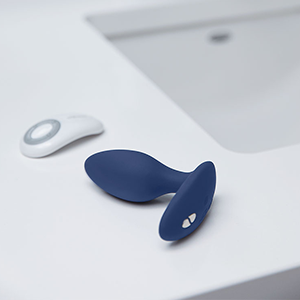
sensory products designed for comfort and pleasure

The goal is not performance perfection. It is creating an environment where connection, communication, and pleasure feel safe again.
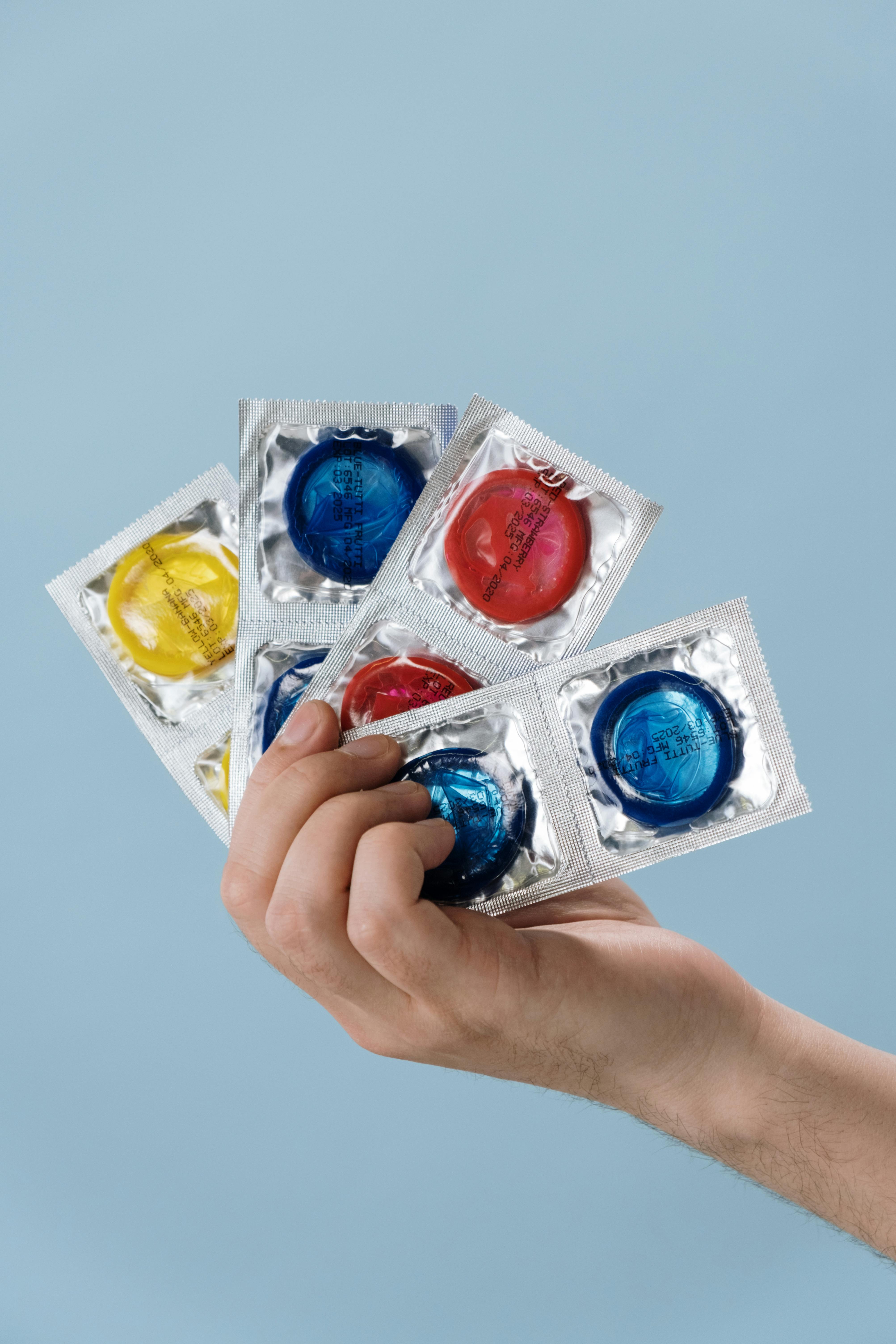
At Condom-USA, sexual wellness products are part of a broader conversation about intimacy, comfort, confidence, and connection.
Modern stress is changing the way people experience intimacy.
For many couples, low desire is not about attraction disappearing — it is about exhaustion, overstimulation, emotional fatigue, and nervous system burnout.
Understanding this connection can reduce shame, improve communication, and help couples approach intimacy with more compassion and awareness.
As sexual wellness conversations continue evolving, one thing is becoming clear: emotional health, nervous system regulation, and intimacy are deeply connected.
And in today’s always-on world, slowing down may be one of the healthiest things couples can do for their relationship.