
When men experience changes in libido or erection quality, many assume that aging, stress, or relationship problems are to blame. While those factors certainly matter, one often-overlooked cause is medication.
Millions of men take prescription drugs every day for depression, anxiety, high blood pressure, hair loss, pain management, and prostate health. Although these medications can be life-changing and medically necessary, some may also affect sexual desire, arousal, orgasm, and erectile function.
If you've noticed a decline in libido, weaker erections, difficulty reaching orgasm, or changes in sexual satisfaction, your medicine cabinet may deserve a closer look. If you ask yourself why is it harder to get an erection than it used to be? Why am I losing my sex drive? Is it normal to lose erections during sex? Why can't I last as long as I want? And why is it taking longer to orgasm? Then you deserve it to yourself to read on.
The good news? Sexual side effects are common, and in many cases, there are options available. Never stop a medication without consulting your healthcare provider, but understanding the connection between medications and sexual health can help you have informed conversations with your doctor.
Antidepressants and Sexual Side Effects
Selective serotonin reuptake inhibitors (SSRIs) are among the most common medications linked to sexual dysfunction.
These medications include:
-
Sertraline (Zoloft)
-
Fluoxetine (Prozac)
-
Paroxetine (Paxil)
-
Escitalopram (Lexapro)
-
Venlafaxine (Effexor)
While these medications help millions of people manage depression and anxiety, increased serotonin levels may interfere with dopamine, arousal, and orgasm.
Men may experience:
-
Lower libido
-
Delayed orgasm
-
Difficulty maintaining erections
-
Reduced sensation
-
Less spontaneous sexual desire
Some men find that symptoms improve over time, while others benefit from medication adjustments or alternative treatments.
Blood Pressure Medications
Heart health medications can sometimes affect sexual performance.
Beta blockers and certain diuretics have been associated with erectile difficulties because they may reduce blood flow or alter nervous system responses.
Examples include:
-
Metoprolol
-
Atenolol
-
Propranolol
-
Hydrochlorothiazide
Not every blood pressure medication causes sexual side effects, and many men can work with their physicians to find alternatives that better support sexual function.
Hair Loss Medications
One of the most discussed topics in men's health communities today involves Finasteride, commonly prescribed for male pattern baldness and enlarged prostate.
Potential side effects include:
-
Reduced libido
-
Erectile dysfunction
-
Lower semen volume
-
Changes in orgasm quality
Although many men tolerate these medications well, some report persistent symptoms. Researchers continue studying the condition sometimes referred to as post-finasteride syndrome.
Anxiety Medications
Medications used to treat anxiety may produce sedation and reduce sexual interest.
Examples include:
-
Xanax
-
Klonopin
-
Valium
Because these medications calm the nervous system, some men experience decreased arousal and erectile difficulties.
Opioid Pain Medications
Long-term opioid use can significantly suppress testosterone production.
Common medications include:
-
Oxycodone
-
Hydrocodone
-
Morphine
Symptoms may include:
-
Low libido
-
Erectile dysfunction
-
Fatigue
-
Mood changes
-
Decreased muscle mass
Hormone testing may be appropriate for men taking long-term opioid therapy.
Prostate Medications
Drugs used for enlarged prostate may affect sexual function by lowering DHT levels.
These include:
-
Finasteride
-
Dutasteride
Men may experience reduced sexual desire and changes in ejaculation.
Antipsychotic Medications
Certain medications used to treat psychiatric disorders may increase prolactin levels, which can interfere with testosterone and libido.
Examples include:
-
Risperidone
-
Olanzapine
Sexual side effects are common and should be openly discussed with healthcare providers.
Weight-Loss Medications and Libido
GLP-1 medications like Ozempic, Wegovy, Zepbound, and Mounjaro are creating new conversations in men's sexual health.
Some men report improved confidence and sexual function after weight loss. Others report:
-
Reduced libido
-
Lower energy
-
Less interest in sex
-
Changes in arousal
Researchers are still investigating these experiences.
What Should Men Do?
If you suspect a medication is affecting your sex life:
-
Do not stop taking it without medical supervision.
-
Track when symptoms began.
-
Talk openly with your doctor.
-
Ask about alternative medications.
-
Consider hormone testing when appropriate.
-
Address sleep, stress, exercise, and relationship health.
Sexual Wellness Products That May Help
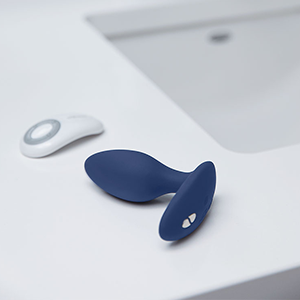
Sexual wellness products cannot replace medical treatment, but they may help couples maintain connection while addressing underlying issues.
Products that may support intimacy include:
The goal isn't perfection. It's communication, comfort, and maintaining intimacy while working toward better health.
Sexual side effects from medications are more common than many men realize. Experiencing changes in libido or erections does not mean something is wrong with your masculinity or your relationship.
Sometimes, your medications are affecting the chemistry, hormones, blood flow, or nervous system involved in sexual function.
The most important thing men can do is speak openly with their healthcare providers. Solutions often exist, and sexual health deserves to be part of the conversation.
For more conversation on this topic check out Sex in Check, our podcast where we speak openly and honestly about sexual health and wellbeing.
https://sexincheck.buzzsprout.com


Leave a comment