

1. Myth: "Bigger is always better."
Fact: Bigger isn't automatically better. Sexual satisfaction depends on many factors, including arousal, communication, technique, comfort, intimacy, and individual preferences. Research examining penis size and partner satisfaction has found the evidence linking the two is limited and inconsistent.
"My penis isn't big enough, so I can't satisfy my partner."
This deserves its own segment because the anxiety surrounding penis size can be much bigger than the actual problem.
A review of research on penis size and partner satisfaction found that the existing evidence doesn't establish a strong relationship between size and satisfaction. Mayo Clinic likewise notes that many men who believe their penis is too small actually fall within the typical range.
2. Myth: "Penis size determines how good you are in bed."
Fact: Size doesn't determine sexual skill. Knowing what your partner enjoys, paying attention to their responses, communicating, and being willing to explore are much more useful skills.
3. Myth: "A larger penis guarantees a better orgasm."
Fact: There is no guarantee. Different people experience pleasure differently, and penetration is only one part of sexual activity.
4. Myth: "You need a large penis to satisfy a woman."
Fact: This is one of the most damaging myths. Sexual satisfaction isn't determined by penis size alone, and many women don't orgasm from penetration alone. In fact many women prefer foreplay to the actual act of sex itself. Oral sex is probably the most desired activity of sexual intimacy among women.
5. Myth: "The longer the sex lasts, the better it is."
Fact: Longer isn't necessarily better. Comfort, pleasure, connection, and mutual satisfaction matter more than a stopwatch. Again most women are not looking for long drawn out penetration. Women like foreplay, connection and women and a lot of men too like the cuddling after, or the snuggly up to.
6. Myth: "A man should always be able to get an erection."
Fact: Erections naturally fluctuate. Stress, anxiety, fatigue, alcohol, medications, relationship dynamics, and health conditions can all affect erections. Persistent erectile problems, however, deserve medical attention.
7. Myth: "Losing an erection means you're not attracted to your partner."
Fact: Not necessarily. An erection is affected by much more than attraction. Performance anxiety can actually create a cycle where worrying about maintaining an erection makes it harder to maintain one.
8. Myth: "Real men can have sex whenever they're asked."
Fact: Sexual desire isn't an on/off switch. Men can experience changes in libido because of stress, hormones, medications, illness, relationship issues, sleep, and aging.
9. Myth: "If you don't orgasm, something is wrong."
Fact: Orgasms aren't the only measure of successful sex. A sexual experience can be pleasurable and satisfying without orgasm.
10. Myth: "Men should always orgasm quickly."
Fact: There is enormous variation in how long ejaculation takes. Premature ejaculation and delayed ejaculation are both real concerns, but neither defines someone's masculinity or sexual ability.
11. Myth: "Women should orgasm from penetration alone."
Fact: Many women need or prefer clitoral stimulation to reach orgasm. There is nothing abnormal about that. The g spot does exist but can be very challenging to find. There are positions and sex furniture that can help you find the elusive g spot, but hands down clitoral stimulation is a winner for almost all women.
12. Myth: "If your partner needs a vibrator, you're not enough."
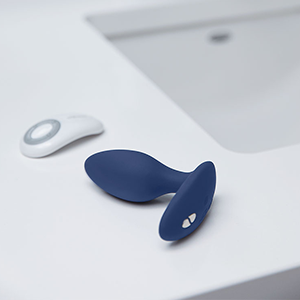
Fact: A vibrator can simply be another tool for pleasure. It doesn't replace a partner any more than a massage tool replaces a massage therapist. When we had the store in Miami a lot of couples would come in together and most women wanted a toy and a lot of times the men would get upset, sometimes even leave. But on the opposite end of that scenario there were men that would come in to buy toys for their partners and I always thought these guys must be confident, they know that this toy doesn't replace them but aids them and adds a little something different. Most women prefer the warm body of a lover to a toy, but a toy can add a whole new dimension to an otherwise repetitive encounter.
13. Myth: "Using lubricant means your partner isn't attracted to you."
Fact: Absolutely not. Lubrication can vary because of hormones, medications, stress, hydration, age, arousal, and many other factors. Lubricants can make sex more comfortable and pleasurable. Many women have challenges with lubrication after child birth, during stressful situations and during perimenopause and menopause.
14. Myth: "You should know exactly what your partner wants without asking."
Fact: Nobody is a mind reader. Communication is a sexual skill. Asking "Does that feel good?" can be much more effective than trying to guess.
15. Myth: "Porn shows what great sex is supposed to look like."
Fact: Porn is entertainment, not a sexual-health textbook. Bodies, erections, orgasms, penis sizes, stamina, and sexual responses shown in pornography aren't a reliable standard for real-life sex. Porn is not real people, I really do feel bad for the millennials so many of them are confused when it comes to porn. It's unfortunate but many men and some women have porn addictions and have trouble keeping a relationship.
18. Myth: "All penises are supposed to look the same."
Fact: Penis size, shape, curvature, color, and the degree to which a penis changes between flaccid and erect can vary considerably.
19. Myth: "If you aren't having sex, you're sexually unhealthy."
Fact: There is no required amount of sex someone needs to have to be healthy. Sexual health is about having consensual, safe, satisfying experiences or choosing not to have sex. And your desire to have sex can change. Some women I know did not want sex in their 20’s and 30’s and then their 40’s and 50’s hit and they wanted sex all the time.
20. Myth: "Getting older means losing your sex life."
Fact: Sexuality doesn't have an expiration date. Sexual response can change with age, but people can remain sexually active and experience pleasure and intimacy throughout adulthood. Health, medications, hormones, relationships, and lifestyle can all influence sexual function. Getting older may require you to add a few items to your sexual repertoire like lubricants or arousal serums that give you that added comfort you may need or that extra push to get things going.
Being a great sexual partner isn't measured in inches, or how many times a week you have sex. It's measured in attention, communication, confidence, consent, creativity, and caring about your partner's pleasure.
There are also a lot of myths surrounding the vulva, vagina, female pleasure, orgasm, and sexual performance—and many of them can create unnecessary embarrassment or insecurity.
Myths About Female Sexual Health & Genital Anatomy
1. Myth: The vagina and vulva are the same thing.
Fact: They're different. The vulva is the external genital area, including the labia, clitoris, and vaginal opening. The vagina is the internal muscular canal leading toward the cervix.
2. Myth: All vulvas are supposed to look the same.
Fact: There is an enormous amount of normal variation.
Labia can be long, short, symmetrical, asymmetrical, smooth, wrinkled, lighter or darker. One labia may be longer than the other. These variations are generally completely normal.
"Your vulva isn't supposed to look like anybody else's including the ones you've seen online."
3. Myth: A woman should shave her pubic hair to be clean.
Fact: There is no medical or hygienic requirement to remove pubic hair. Shaving and waxing can actually cause irritation, cuts, ingrown hairs, or other problems. Pubic hair acts as a natural barrier, it traps bacteria to lower risk of infection, helps control moisture and holds your bodies natural scent.
4. Myth: The vagina needs to be washed or doused to stay clean.
Fact: The vagina is naturally self-cleaning. Douching can disrupt the normal vaginal environment.
The vulva can be gently cleaned externally, but there is generally no reason to put soap, perfume, deodorant, or other products inside the vagina.
5. Myth: A strong vaginal odor always means something is wrong.
Fact: A certain amount of vaginal odor is normal. However, a new, strong, or unusual odor, particularly when accompanied by discharge, itching, burning, or pain, can indicate a medical problem and should be evaluated.
6. Myth: Normal vaginal discharge means something is wrong.
Fact: Vaginal discharge is normal and changes throughout the menstrual cycle. Its amount, consistency, and appearance can change with hormonal fluctuations.
7. Myth: The hymen proves whether someone is a virgin.
Fact: It doesn't.
The hymen is a thin tissue around the vaginal opening that varies considerably from person to person. It can stretch or tear from many things, including tampon use, sports, medical procedures, or sexual activity. Its appearance cannot establish whether someone has had sex.
This is one of the most important myths to bust because it has historically been used to shame and judge women.
8. Myth: The first time a woman has vaginal sex, she will bleed.
Fact: Not necessarily.
Some people bleed; many don't. The presence or absence of bleeding tells you nothing reliable about someone's sexual history.
9. Myth: Women should orgasm from penetration alone.
Fact: There is tremendous variation in how people experience orgasm, and clitoral stimulation is important for many women.
The clitoris is much larger than the small external portion that is visible and extends internally around the vaginal area.
10. Myth: If a woman doesn't orgasm, something is wrong with her.
Fact: Difficulty reaching orgasm is common, and sexual satisfaction doesn't necessarily require orgasm. Desire, arousal, intimacy, comfort, communication, and pleasure all matter.
11. Myth: If she's physically lubricated, she must want sex.
Fact: Physical arousal and sexual desire aren't always the same thing.
Bodies can have involuntary physical responses that don't necessarily reflect someone's emotional desire or consent.
Consent has to come from communication not from interpreting someone's physical response.
12. Myth: If she's not lubricated, she's not attracted to her partner.
Fact: Absolutely not.
Lubrication can be influenced by hormones, medications, stress, fatigue, menopause, breastfeeding, arousal, and many other factors. A person can be highly attracted to their partner and still need additional lubricant.
13. Myth: Vaginal dryness only happens to older women.
Fact: Dryness can occur at many ages.
Hormonal changes are one cause, but medications, stress, breastfeeding, certain health conditions, and inadequate arousal can also contribute.
And during perimenopause and menopause, declining estrogen can cause vaginal tissues to become thinner, less elastic, and drier, sometimes making sex painful.
14. Myth: Pain during sex is something women should just tolerate.
Fact: Painful sex isn't something you simply have to put up with.
Pain can have many causes, including dryness, infection, pelvic-floor problems, hormonal changes, skin conditions, or other medical issues. Persistent or significant pain deserves medical attention.
15. Myth: After menopause, women lose their ability to enjoy sex.
Fact: Menopause can change sexual response, but it doesn't mean sexuality is over.
Lower estrogen can contribute to dryness, reduced elasticity, discomfort, and urinary symptoms but there are treatments and strategies that can help.
16. Myth: A woman's vagina becomes permanently "loose" from having sex.
Fact: The vagina is an elastic muscular structure that expands and contracts. Sexual activity does not simply make it permanently loose.
Pregnancy and childbirth can affect pelvic-floor muscles, but that's a different issue from the myth that having more sexual partners permanently stretches the vagina.
17. Myth: A woman's sexual desire should always match her partner's.
Fact: Desire varies enormously between individuals and within the same person throughout life.
Stress, sleep, hormones, medications, relationships, health, and life circumstances can all affect sexual desire.
18. Myth: Women who use vibrators can't enjoy sex without them.
Fact: A vibrator is simply another way of experiencing stimulation.
Using a sex toy doesn't mean a partner isn't satisfying someone. In fact, learning what feels good can make communication between partners easier.
19. Myth: Female ejaculation and squirting are exactly the same thing for everyone.
Fact: There is variation in the fluids produced during sexual arousal and orgasm, and people experience these responses differently. Fluid can come from the urethral area, including the Skene's glands.
The important point is that there isn't one "correct" way for a woman's body to respond sexually.
20. Myth: A "normal" woman should want sex a certain number of times.
Fact: There is no universal number.
Some people have a high libido, some have a low libido, and some go through periods where they have little or no interest in sex. What's important is whether the person's sexual experience is satisfying and whether changes in desire are causing distress or concern.
And Here's One of the Biggest Myths
"My body isn't normal."
This may actually be the most important myth to address.
Women are bombarded with images of what their breasts, stomachs, vulvas, labia, pubic hair, and bodies supposedly "should" look like. In reality, there is a tremendous range of normal female anatomy.
And when it comes to sex, there is no single definition of what a woman's body should look like, how often she should want sex, how quickly she should become aroused, or how she should orgasm.
"Your vulva doesn't have to look a certain way. Your vagina doesn't have to smell like perfume. You don't have to orgasm every time. You don't have to be perfectly lubricated. And you don't have to perform sexuality the way you see it portrayed online. Your body isn't broken because it doesn't behave like somebody else's."
Here at Condom-USA we carry products that help people feel more comfortable during those intimate moments. Products that we would recommend for a younger woman may be the Sliquid Organics line, more than likely a water based lubricant. Lubricants we would recommend to an older woman may be oil based, these tend to last longer and many times they will be in menopause and not have to worry about pregnancy. If you are an older woman and single you can pair an oil based lube with a polyurethane condom. On arousal oil is a popular favorite as well as the Wicked simply timeless Hybrid Lubricant for women in menopause or perimenopause. Many of our hybrid lubes are designed for people who do not want to have to reapply lubricant and interrupt the moment. Sliquid Silk and Liquid Silk are long time customer favorites.
And for women that want to help strengthen their pelvic floor muscles with Kegels we have some of the latest products to help you achieve that. Furthermore, strong, coordinated pelvic floor muscles can increase awareness and sensation during sex and may help some women experience stronger or more easily achieved orgasms. Knowing how to consciously contract and relax these muscles can give women more control over their bodies and sexual responses. The fifty shades inner goddess silver balls are a customer favorite.
And for men worried about size, there are products to help you feel more confident, like the perfect fit line. Including the fat boy 5.5 inch, 6.5 inch and 7 inch. Using a cock ring may also have the effect of feeling larger; the bigger ox cock ring is a customer favorite. But there are many to choose from including vibrating cock rings that help stimulate your partner while having sex.
And for older men that may have ED from time to time, there are strap ons available especially for you like the hollow strap on and the vac u lock adjustable unisex ultra harness. Condom-USA also carries a full line of penis pumps, penis pumps have been used for many years to help achieve stronger erections. A customer favorite in this category is the Performance VX6 Vacuum Penis Pump.
In 2026, we have more access to sexual health information than ever before but that doesn't necessarily mean we're getting better information. Social media, pornography, outdated advice, and even things we've heard from friends for decades can make it difficult to separate sexual fact from fiction.
The truth is that there is no single definition of a "normal" sex life. Bodies are different. Desire changes. Relationships evolve. What feels good, what creates intimacy, and what people need from their sexual relationships can change throughout life.
For both men and women, better sexual health starts with letting go of unrealistic expectations and becoming more comfortable asking questions. Penis size doesn't determine sexual satisfaction. Men don't have to be ready for sex every time. Women don't automatically lose their desire as they age. Menopause doesn't mean intimacy is over. And needing lubrication, a sexual wellness product, or a little extra stimulation doesn't mean something is wrong with you.
Perhaps the biggest myth of all is that we should already know everything about sex.
We don't. And that's okay.
Sexual wellness is an ongoing conversation—one that should include communication, consent, protection, pleasure, emotional connection, and taking care of our bodies. The more openly we talk about these subjects, the less power outdated myths have over our relationships and our confidence.
So, in 2026, let's stop measuring ourselves against unrealistic expectations and start asking better questions. Get curious. Get informed. Talk to your partner. Talk to your healthcare provider when something doesn't feel right. And most importantly, remember that a healthy sex life isn't about performing perfectly it's about feeling comfortable, connected, safe, and confident.
Listen to this blog on our podcast Sex in Check. https://www.buzzsprout.com/2471788/episodes/19774208


Leave a comment